
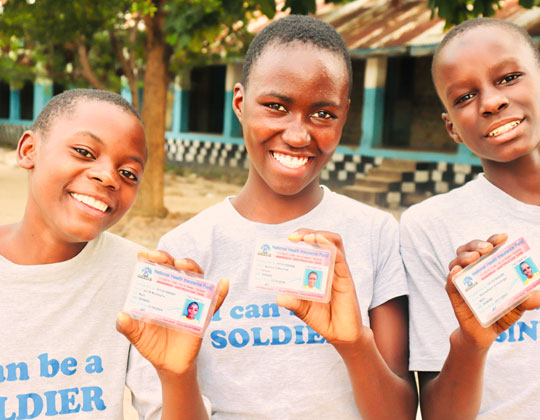
The Health Shield: Protect a Student for 365 Days
It Wasn’t the Lesson
That Stopped Him.
It Was the Fever.
Health, Dignity & Wellbeing · The Health Shield
When a Mosquito Bite Becomes a Dropout
Hassan was one of the strongest students in his class. His teacher described him as someone who never needed to be told something twice — the kind of student who makes a classroom feel alive.
In March, Hassan stopped coming to school. Not because he had lost interest. But because he had malaria — and his family could not afford the clinic fee. He stayed home for three weeks. By the time the fever broke, he had missed enough lessons to fall behind. By the end of the term, he was no longer the student his teacher had described.
A mosquito bite had done what poverty, distance, and hardship had not managed to do. It had taken him out of school.
“A child who is sick cannot learn. A family who cannot afford the clinic cannot send a sick child to school. The Health Shield breaks this cycle at the source.”
CODEWA Health, Dignity & Wellbeing ProgrammeIn Tanzania, malaria is not just a health crisis — it is an education crisis. Thousands of children miss school every year because of preventable, treatable illnesses. For families in extreme poverty, a clinic visit costs more than a week’s income. So they wait. And while they wait, their child falls further behind.
And illness is only half the story.
The Health Crises Keeping Children Out of Class
CODEWA’s research in Tabora confirms that health barriers operate on two distinct fronts — illness and silence — and both must be addressed together.
Medical Crisis
Without insurance, a single illness becomes an academic disaster — long-term absenteeism or total dropout due to unaffordable clinic fees.
Toto Afya Card
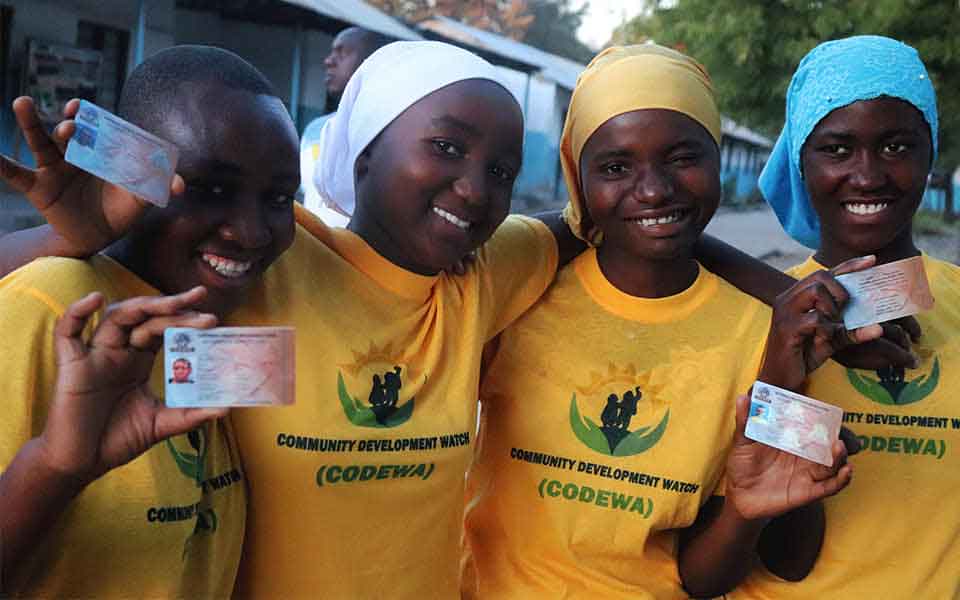
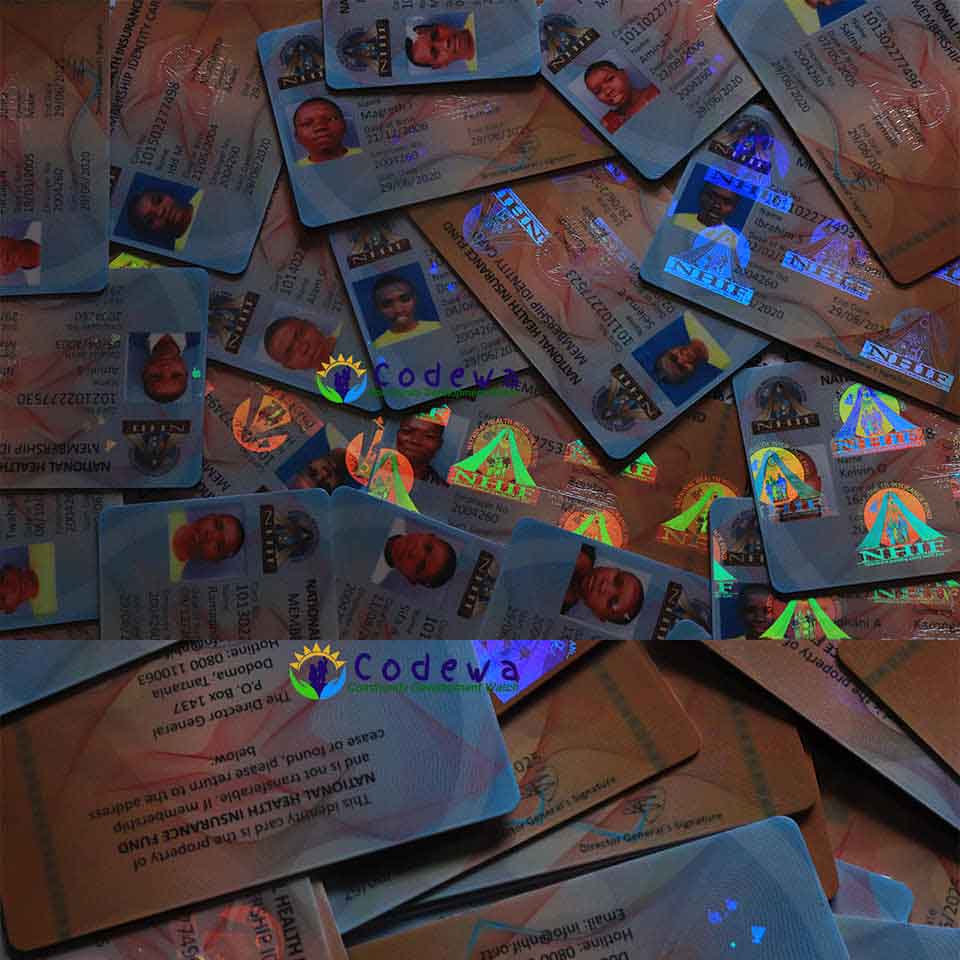
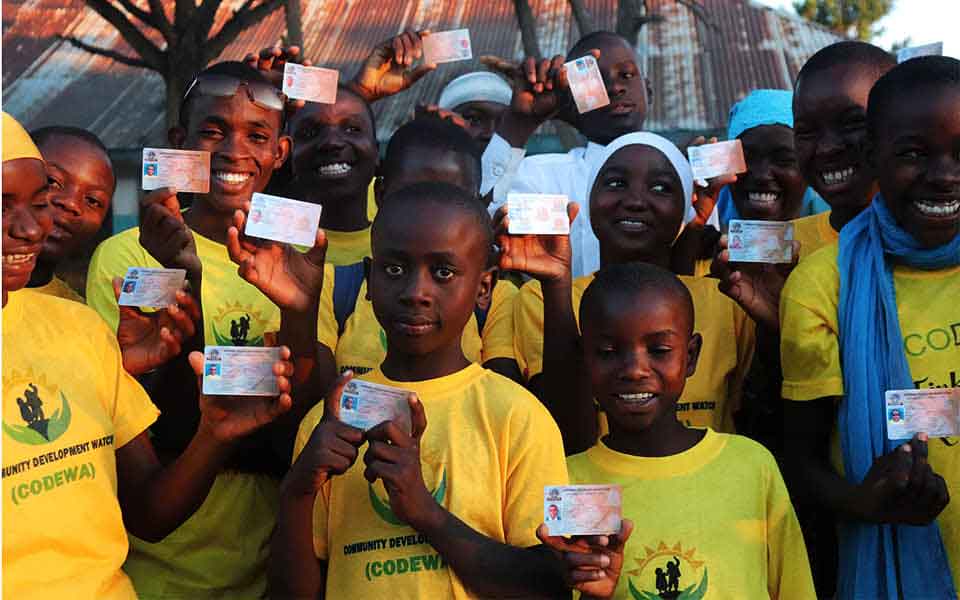
We enrol vulnerable children in the Community Health Fund — guaranteeing year-round access to doctor consultations, prescriptions, and treatment.
Stigma & Poverty
Cultural silence around menstruation combined with unaffordable supplies forces girls to miss up to 60 school days a year to avoid shame.
MHM Kits & Safe Spaces
Menstrual Hygiene kits and reproductive health education break the stigma and keep girls in the classroom with confidence and dignity.
Breaking the Silence, Restoring Dignity
In many Tanzanian communities, menstruation is shrouded in silence. This cultural taboo, combined with economic hardship, forces adolescent girls to miss up to five days of school every month — 60 days every year. At CODEWA, we believe a natural biological cycle should never be a barrier to a girl’s dreams.
Three Barriers. One Health Shield.
The Health Shield is not a single product. It is a three-component strategy that addresses the full range of health barriers keeping children out of school in Tabora.
The Toto Afya Card: 365 Days of Protection
We enrol vulnerable children in Tanzania’s Community Health Fund (CHF) through the Toto Afya Card Scheme — giving them year-round access to doctor consultations, prescription medicine, and routine checkups. For €25 per child per year, a child who falls ill goes to the clinic instead of staying home. The fever is treated. The child returns to class. The education continues.
- Full year of medical consultations and prescription coverage
- Covers malaria, cholera, respiratory illness, and routine checkups
- 850+ children currently enrolled through CODEWA’s programme
- 95% attendance rate recorded among Toto Afya Card holders
Dignity Restored: No Girl Misses Class
We provide Menstrual Hygiene Management kits — reusable pads, soap, and a washbag — alongside reproductive health education in safe, gender-sensitive spaces. By breaking the silence around menstruation and removing the material barrier, we keep girls in the classroom with confidence and dignity every single day of the year.
- Reusable pad kit eliminating recurring monthly costs for families
- Safe-space reproductive health education to break cultural taboo
- 1,200+ MHM kits distributed across 15 partner schools
- Directly addresses 60 days of annual absenteeism per unprotected girl
Knowledge as Prevention: The Most Powerful Medicine
We run community health workshops for students and families covering WASH (water, sanitation, and hygiene), cholera prevention, malaria recognition, and nutritional health. Families who understand how to prevent illness send fewer children to the clinic and more to the classroom — because the most powerful medicine is knowledge, and knowledge is free.
- WASH, cholera, malaria, and hygiene education for families
- Nutritional health awareness integrated into school programmes
- Community workshops reaching 30+ families per session
- Prevention-first approach reducing recurring health absences
Every Gift. A Named Protection.
Every contribution to the Health Shield funds a specific, named component of CODEWA’s three-pillar health strategy — directly traceable to the children it protects.
| Amount | Gift Name | Pillar | What It Does |
|---|---|---|---|
| €25 | The Single Shield ★ | Health Insurance | Enrols one child in the Toto Afya Card Scheme — 365 days of doctor visits, consultations, and prescriptions fully covered. |
| €30/mo | The Dignity Fund | MHM | Funds a full year of Menstrual Hygiene kits for one girl — reusable pads, soap, and bag — so she never misses a single class. |
| €50 | The Study Buddy Shield | Health Insurance | Protects two children for a full year. Best friends who stay healthy and in class together. |
| €100 | The Village Workshop | Health Literacy | Funds a full community health seminar for 30 families — WASH, nutrition, malaria prevention, and safe hygiene training. |
| €250 | The Classroom Shield | Health Insurance | Enrols 10 vulnerable students in the Toto Afya Scheme — an entire class protected from medical dropout for a full year. |
| Any | Your Own Gift | All Pillars | Every contribution buys attendance, restores dignity, and prevents a preventable dropout. |
How Health Becomes Academic Success
A strategic blueprint connecting health protection directly to consistent attendance, restored dignity, and long-term academic achievement.
Protection
Children receive health insurance, MHM kits, and community health literacy.
Barrier Removed
Illness no longer causes dropout. Girls no longer miss 60 days. Families prevent before they treat.
Academic Excellence
Consistent attendance, restored dignity, and the physical and mental focus to excel.
Outcomes Tracked Across Our Programme
These figures are drawn from CODEWA internal health monitoring reports, partner school attendance records, and CHF enrolment tracking across the programme in Tabora.
Data compiled from CODEWA internal health monitoring reports, partner school attendance records, and CHF enrolment tracking since the Health, Dignity and Wellbeing programme launch.
Consistent Attendance
Children enrolled in the Toto Afya Scheme attend school at a 95% rate — far above the national average.
Dignity in the Classroom
Girls with MHM kits attend every class every week — confident, prepared, and no longer defined by a biological cycle they could not afford to manage.
Medical Crises Averted
Toto Afya Card holders receive treatment immediately — turning a potential dropout into a one-day clinic visit and a return to class.
Families Empowered
Health literacy workshops give families the tools to prevent illness before it begins — reducing recurring absences at the source.
He Moved Back to
the Front of the Class.
Hassan is back in school now. He received a Toto Afya Card through CODEWA’s Health Shield at the start of the following term. In October, his teacher told us he had moved back to the front of the class.
“That is what €25 can do. Not just treat a fever. Restore a future.”
Right now, children in our partner schools are one illness away from dropping out. One clinic fee they cannot afford. One week of missed lessons that becomes a month. And girls across Tabora are losing 60 school days every year to a barrier that €30 can remove entirely.
The Health Shield stops both from happening.
Because a fever should never end a child’s education. And a biological cycle should never end a girl’s future.
SDG 3 — Good Health & Well-BeingEnsure healthy lives and promote well-being for all at all ages.