Restoring Balance: How CODEWA Is Transforming Tobacco-Growing Communities Through Reforestation and Environmental Education
-
by
codewatz@gmail.com
- No Comments on Restoring Balance: How CODEWA Is Transforming Tobacco-Growing Communities Through Reforestation and Environmental Education
Tobacco may sustain the economy of Tabora—but its environmental cost has been devastating. For decades, the region has relied heavily on wood-fueled curing processes, driving widespread deforestation and weakening ecosystems that rural communities depend on. Today, the consequences are undeniable: shrinking forests, unpredictable rainfall, soil degradation, and worsening climate impacts.
Amid this challenge, CODEWA is championing a new path—one grounded in restoration, community leadership, and climate action.
The Environmental Reality Behind Tobacco Farming
Tabora is Tanzania’s leading tobacco-producing region, and for many households, tobacco farming is a lifeline. But the industry relies on massive amounts of firewood for curing tobacco leaves. Each season, thousands of trees are cut down to feed curing barns, intensifying:
- Deforestation
- Climate change impact
- Loss of biodiversity
- Soil degradation
- Decline in agricultural productivity
This destructive cycle has threatened both the land and the livelihoods of the very farmers who depend on tobacco. It became clear that without intervention, the ecological imbalance would deepen—leaving future generations more vulnerable.
CODEWA’s Climate Action Initiative: A Community-Centered Solution
In response, CODEWA launched the Climate Action Initiative in 2023 to tackle the environmental footprint of tobacco farming. What began as a pilot has now grown into one of the region’s most impactful grassroots reforestation programs.
2023: The Beginning of Change
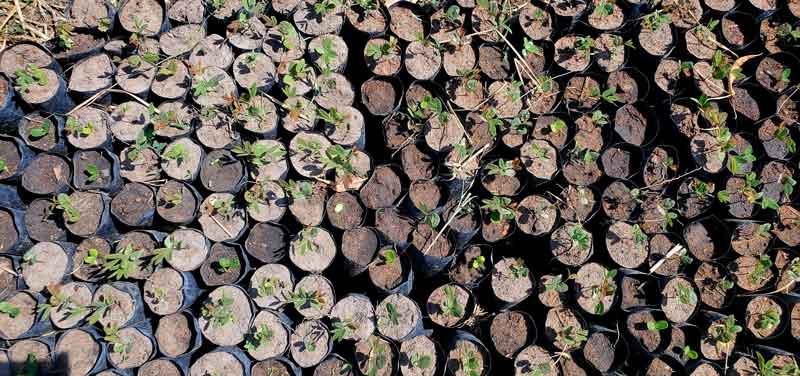
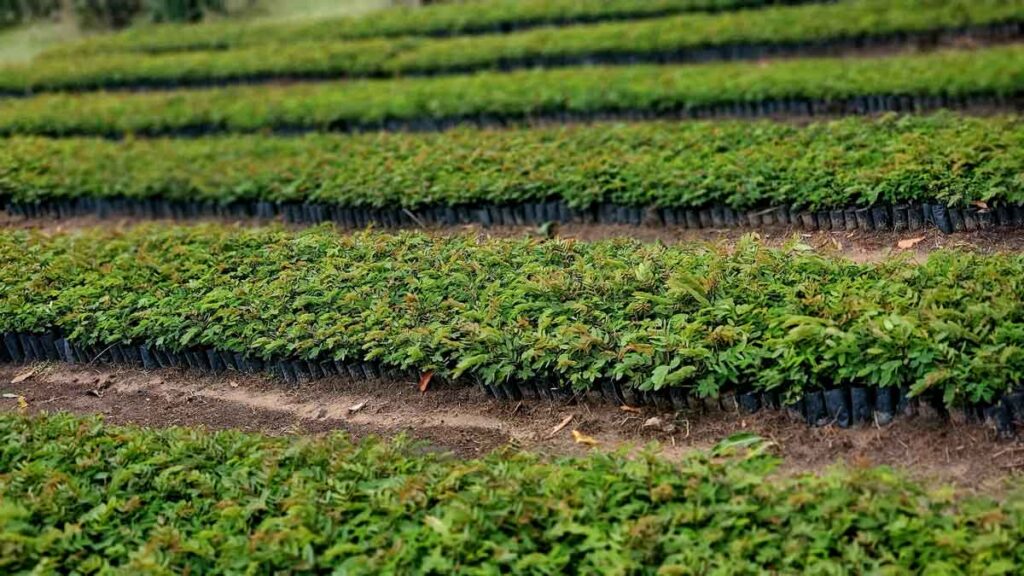
CODEWA cultivated and distributed 37,000 tree saplings to tobacco farmers—an important first step in restoring the forests being lost every year.
2024: Scaling Impact Across the Region
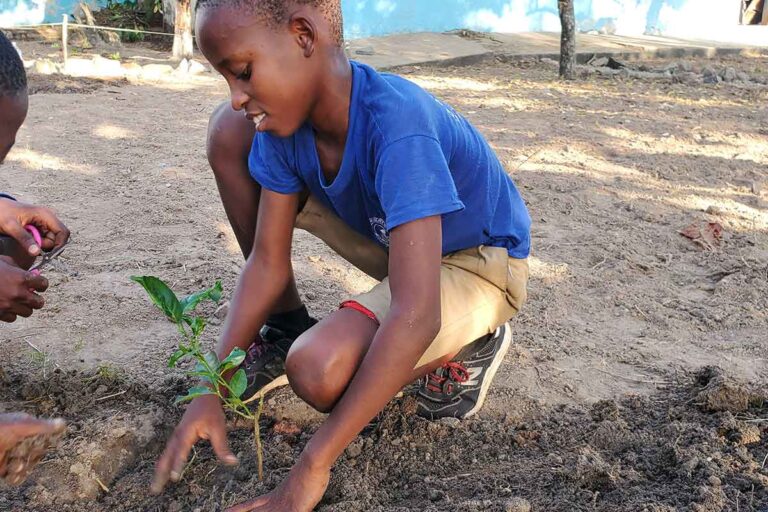
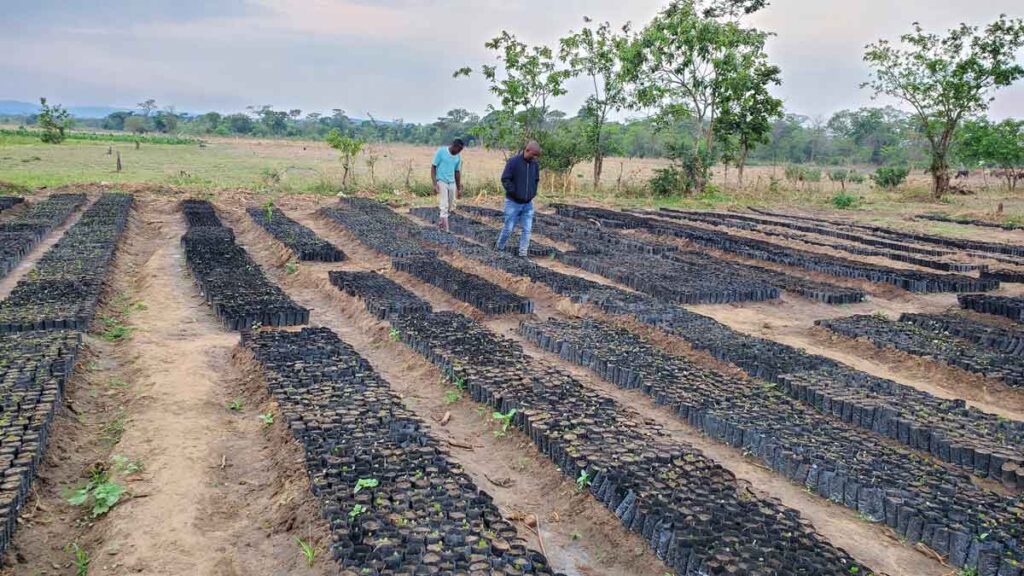
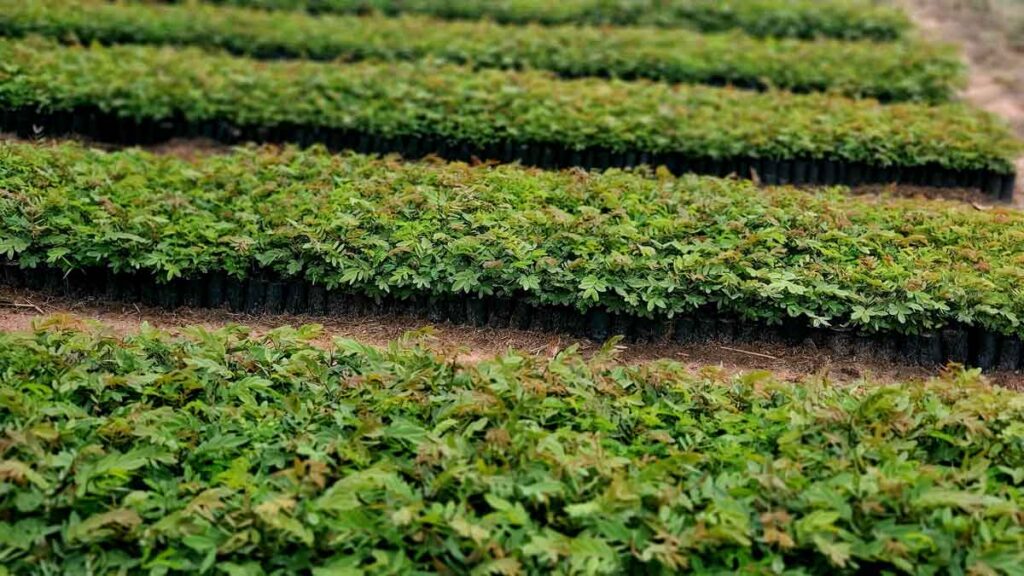
Building on this momentum, CODEWA dramatically scaled the initiative, growing 110,000 tree saplings and distributing them to farmers across nine wards of Uyui District. Every sapling was accounted for, planted by farmers, and followed up by field teams to ensure survival.
This effort signals a major shift—tobacco farming communities are becoming active partners in reforestation.
Tree Nurseries That Build Sustainable Futures
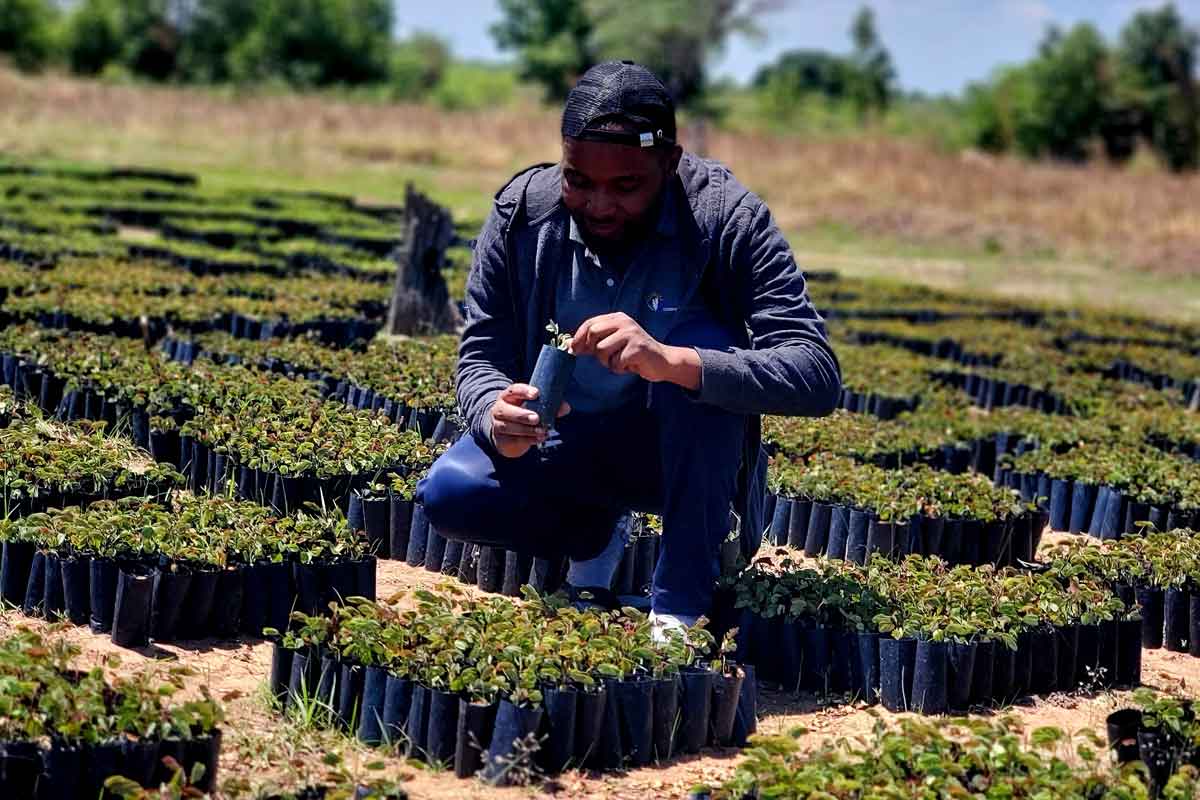
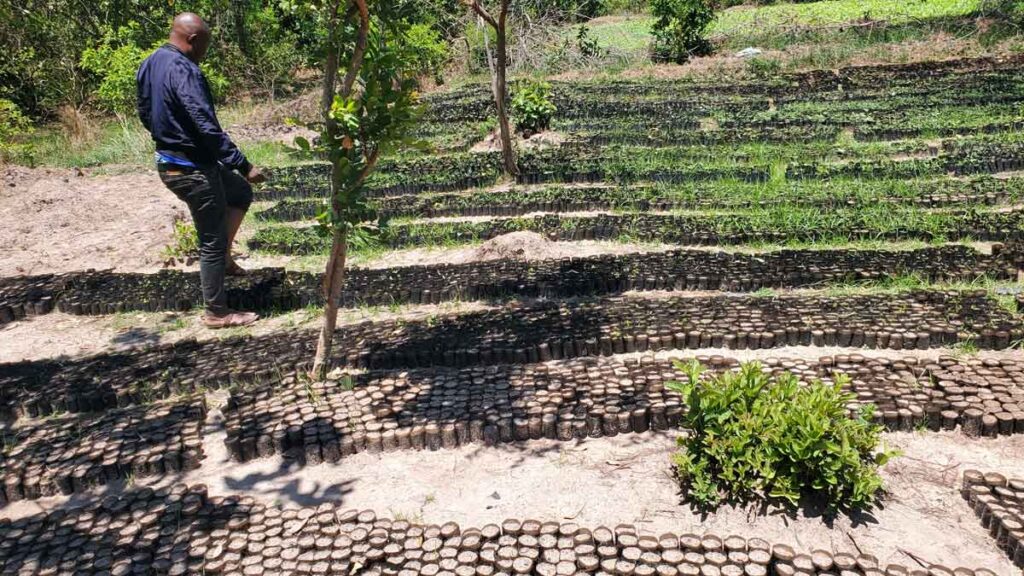
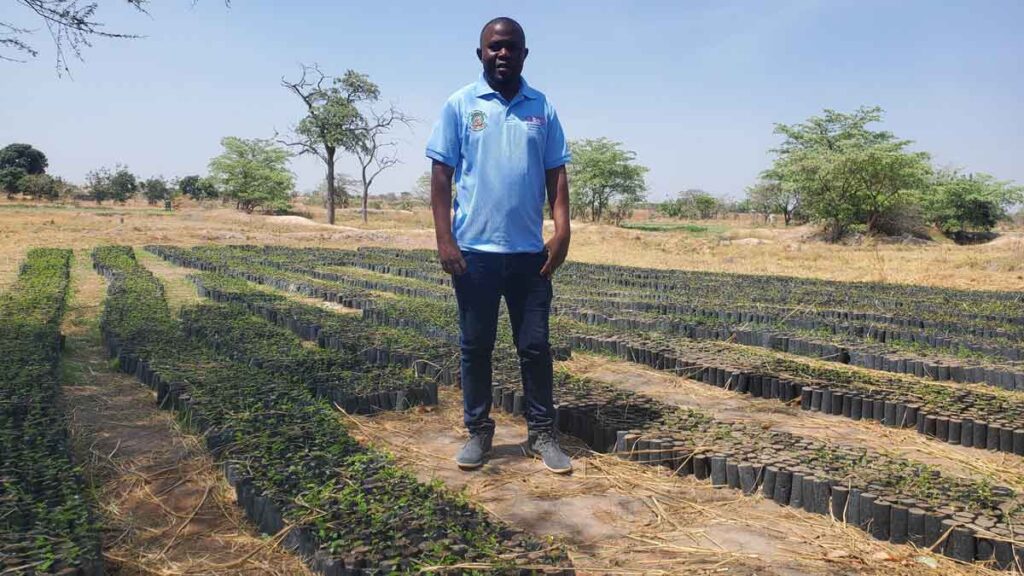
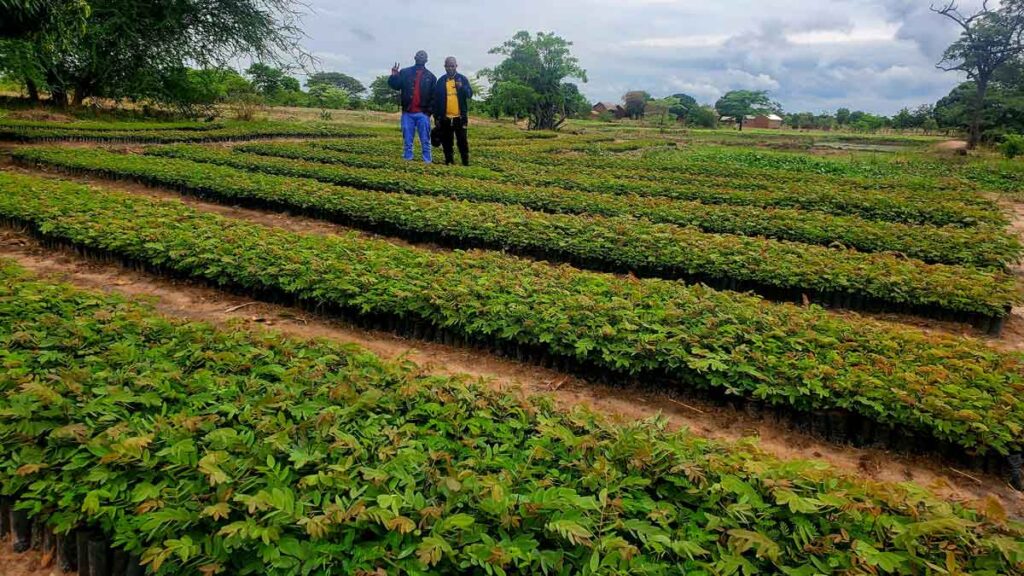
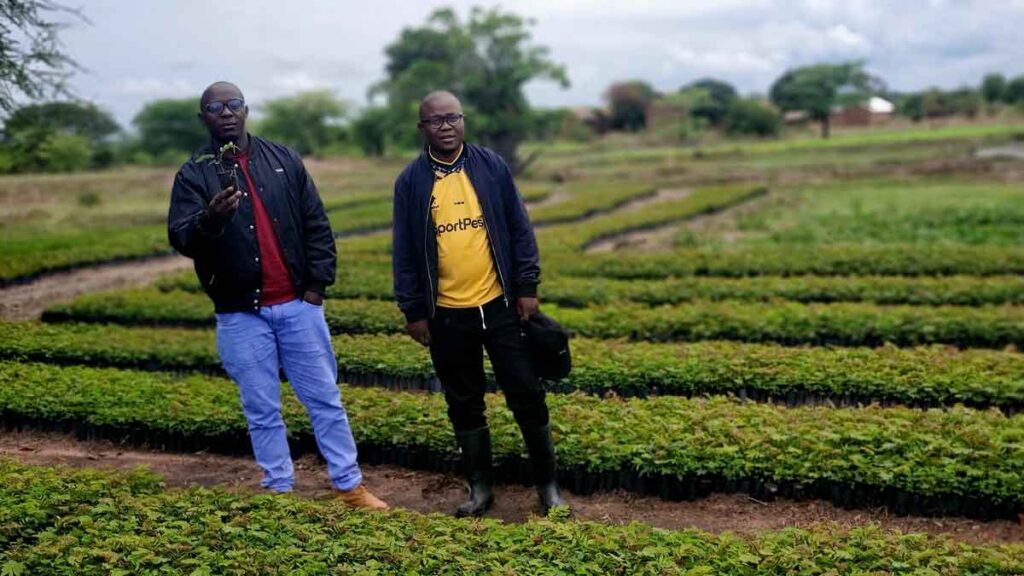
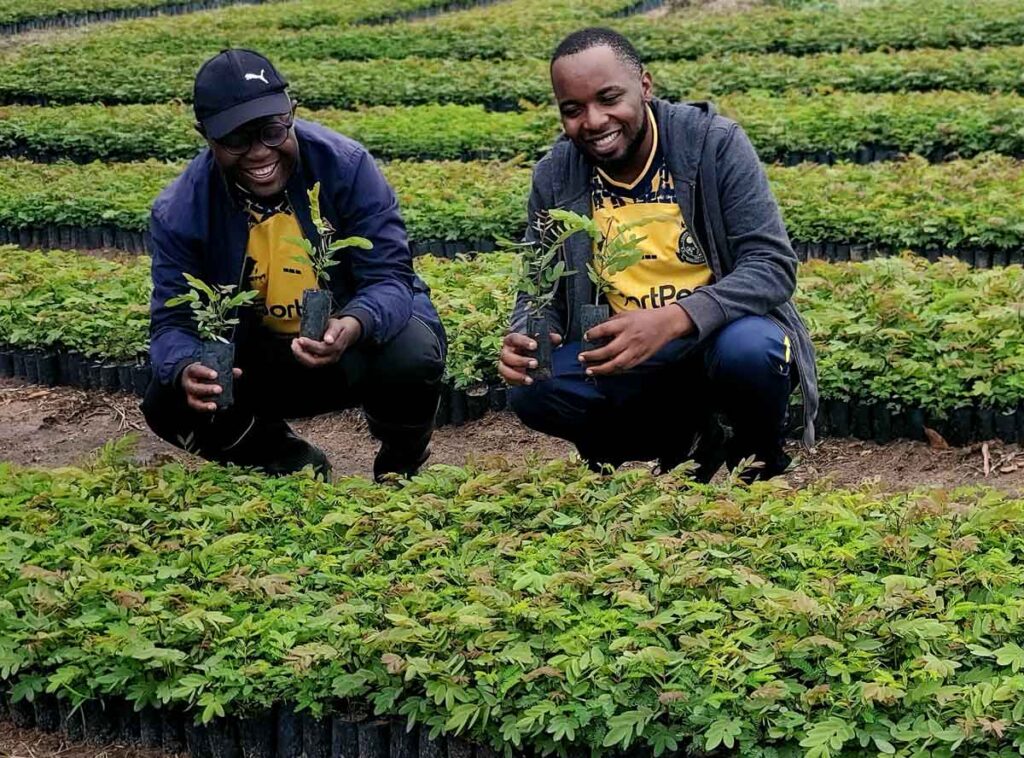
In 2024, CODEWA established 10 community-managed tree nurseries, each producing diverse indigenous tree species adapted to the region’s climate. These nurseries are more than seedling production sites—they are hubs of learning, ownership, and environmental restoration.
CODEWA covers the bulk of the production costs, while farmers contribute a small fee to cover part of the fixed expenses. This cost-sharing model ensures:
- Ownership
- Sustainability
- Shared responsibility
- Long-term community participation
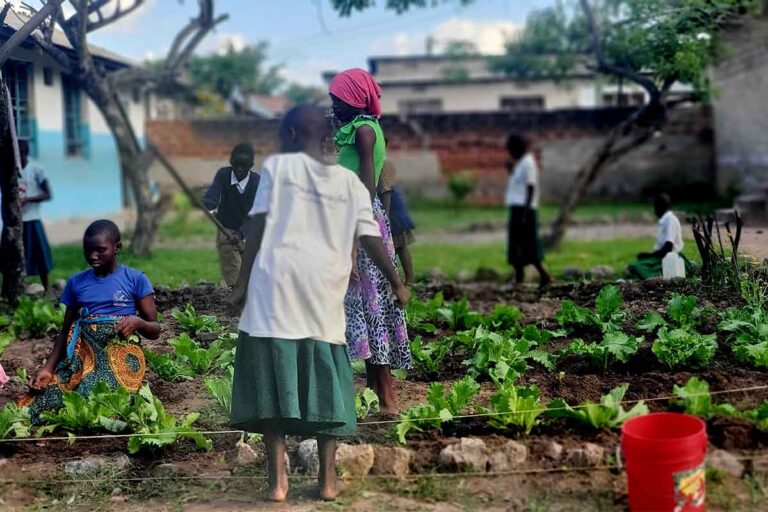
Each nursery serves as a living classroom where farmers learn propagation, nursery management, transplanting, and tree-care techniques.
Beyond Trees: Transforming Knowledge and Shifting Mindsets
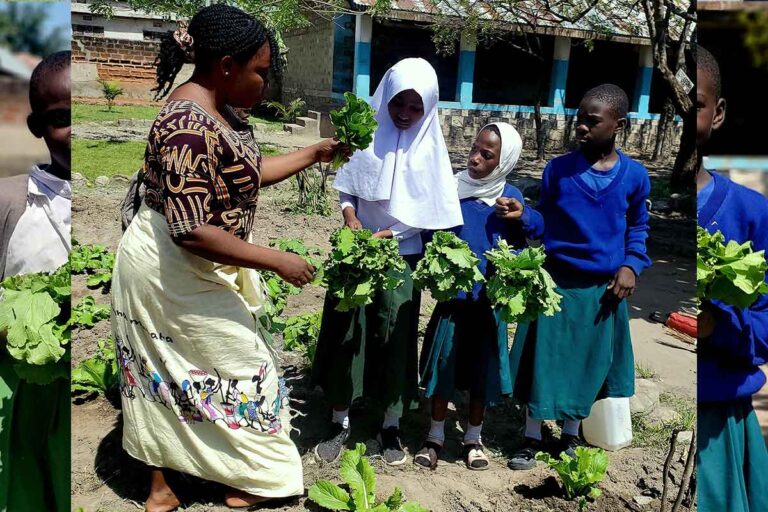
At the heart of this initiative is a strong environmental education component led by Shabani Kigumi, an experienced agriculturalist and cooperative specialist. Under his leadership, CODEWA has worked closely with farmers to promote sustainable land-use practices.
Through workshops, farm visits, and community dialogues:
- 2,872 farmers have been sensitized on the importance of reforestation
- Farmers have learned sustainable farming methods that reduce environmental destruction
- Awareness on climate change, water conservation, and soil restoration has increased
- Families now understand how trees improve productivity, microclimates, and livelihood resilience
This is not just about distributing trees—it is about changing behavior, strengthening knowledge, and nurturing environmental stewardship.
A Model Rooted in Community Empowerment
CODEWA’s approach integrates education, action, and accountability:
- Grow saplings locally through community nurseries
- Distribute to farmers before the rainy season
- Ensure planting and survival through routine follow-ups
- Integrate environmental education at every stage
- Promote shared responsibility through cost-sharing and community management
This holistic model has allowed the initiative to expand rapidly while maintaining high survival rates for planted trees.
Where We Stand Today
With a combined total of 147,000 saplings distributed within two years, CODEWA’s Climate Action Initiative is reshaping the environmental landscape in tobacco-farming areas. Farmers are now active contributors to reforestation, and communities are embracing a culture of conservation.
The shift is clear: tobacco farming, once a major driver of deforestation, is beginning to play a new role in environmental restoration.
A Greener Future for Tabora
This initiative is more than tree planting—it is a vision for a regenerated Tabora. A future where:
- Forests recover
- Soils regain fertility
- Farmers adopt sustainable practices
- Rural livelihoods coexist with environmental protection
Through collaborative action, CODEWA is proving that environmental restoration and economic reliance on tobacco do not have to stand in conflict.
Together—with farmers, leaders, and communities—we are planting hope, restoring ecosystems, and building a sustainable future for Tabora.