Empowering Teachers to Strengthen Language Acquisition Among Primary School Learners in Tabora
-
by
codewatz@gmail.com
- No Comments on Empowering Teachers to Strengthen Language Acquisition Among Primary School Learners in Tabora
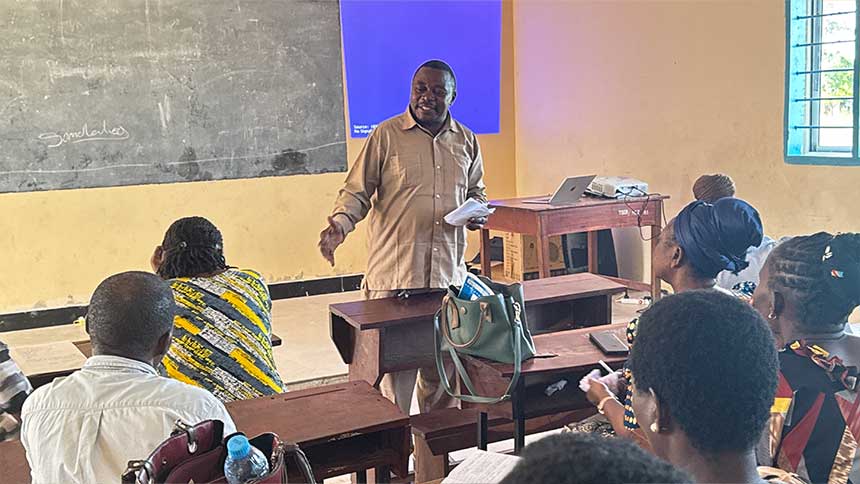
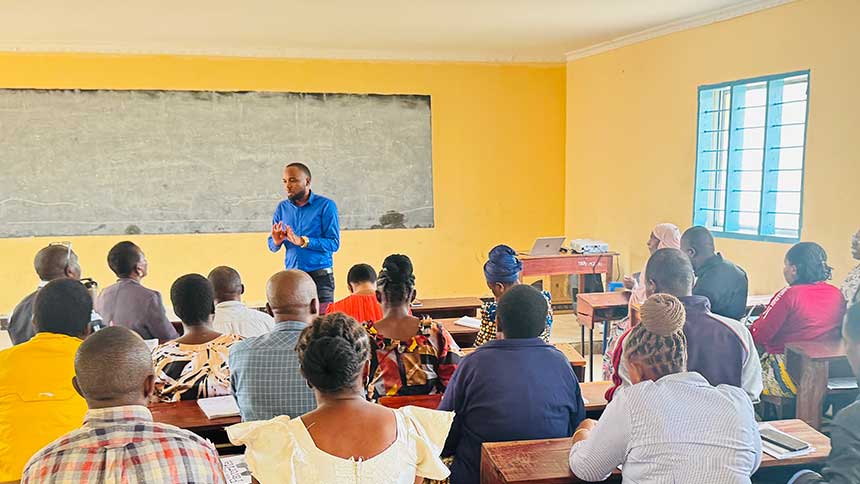
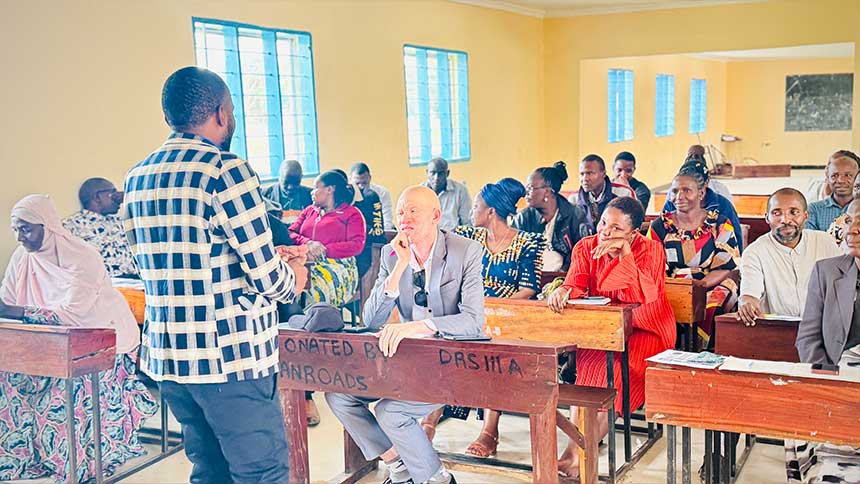
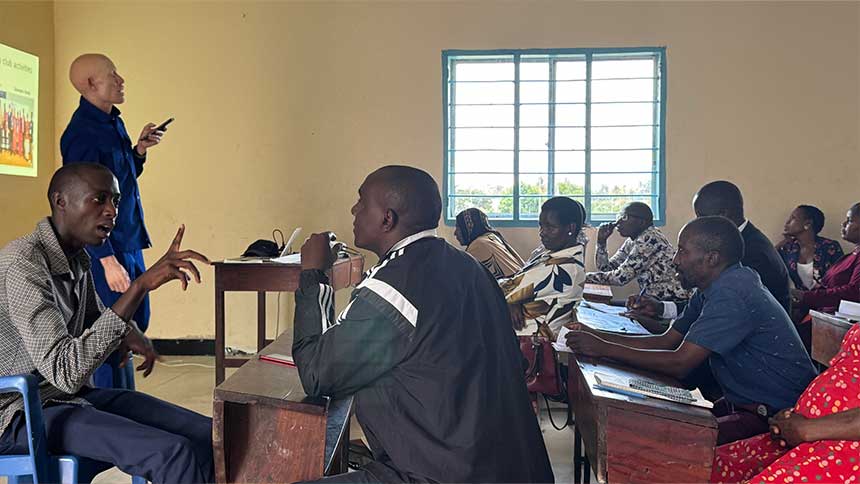
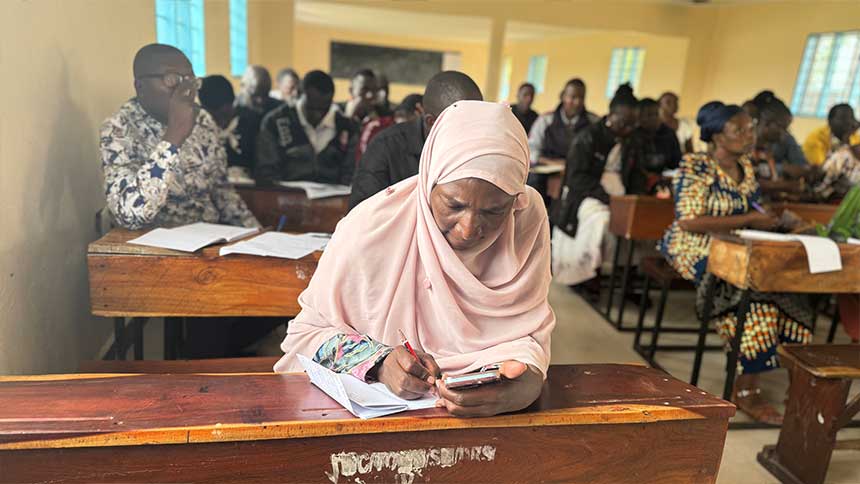
As a continuation of TELTA Tabora, Tabora Municipal Council and Community Development Watch (CODEWA)’s teacher empowerment initiative, a capacity-building training workshop for English Language Teachers was successfully conducted following the earlier needs-assessment consultation. This workshop marked the practical implementation phase of the program, designed to equip teachers with concrete skills to strengthen language acquisition among primary school learners.
The training was organized to directly respond to the challenges identified by teachers during the first consultative workshop and was rooted in CODEWA’s belief that early preparation is the key to learners’ future academic success.
Why Early Language Preparation Matters
In Tanzania, the transition from primary school (Kiswahili medium) to secondary school (English medium) presents a major barrier for many learners. A significant number of students struggle not because of lack of intelligence, but because of limited English proficiency, which affects:
- Comprehension of subject content
- Classroom participation
- Self-confidence
- Academic performance
- Long-term educational outcomes
CODEWA and its partners recognized that preparing learners early at the primary school level is far more effective than trying to correct gaps later at secondary school, where language demands become more complex.
Objective of the Training Workshop
The main goal of this workshop was to capacitate English language teachers with practical skills and child-centered strategies to enable them to support learners in mastering:
- Listening
- Speaking
- Reading
- Writing
Teachers were equipped with tools and approaches that promote active learning, confidence building, and continuous language exposure inside and outside the classroom.
Key Areas Covered During the Training
The training focused on strengthening both instructional and pastoral competencies, including:
- Effective classroom management for language learning
- Learner-centered teaching methodologies
- Continuous assessment techniques to track student progress
- Peer learning and peer teaching strategies
- Understanding learners’ backgrounds and learning environments
- Home visits as a tool for connecting school learning with family support
- Motivational approaches to build confidence in English speaking
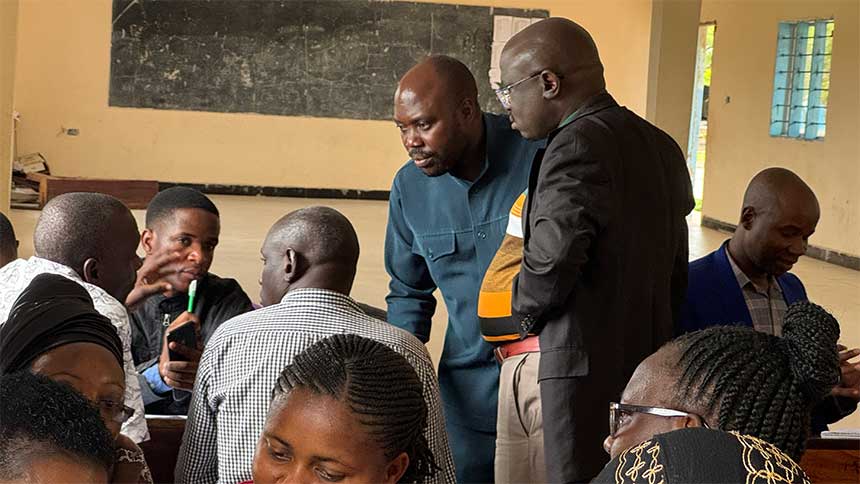
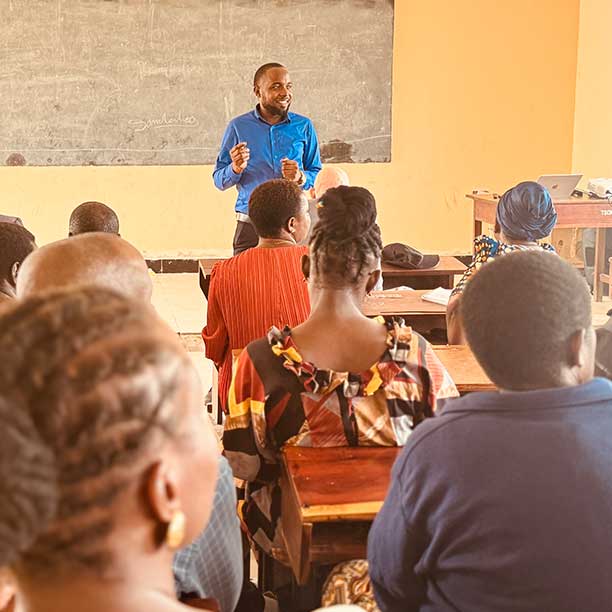
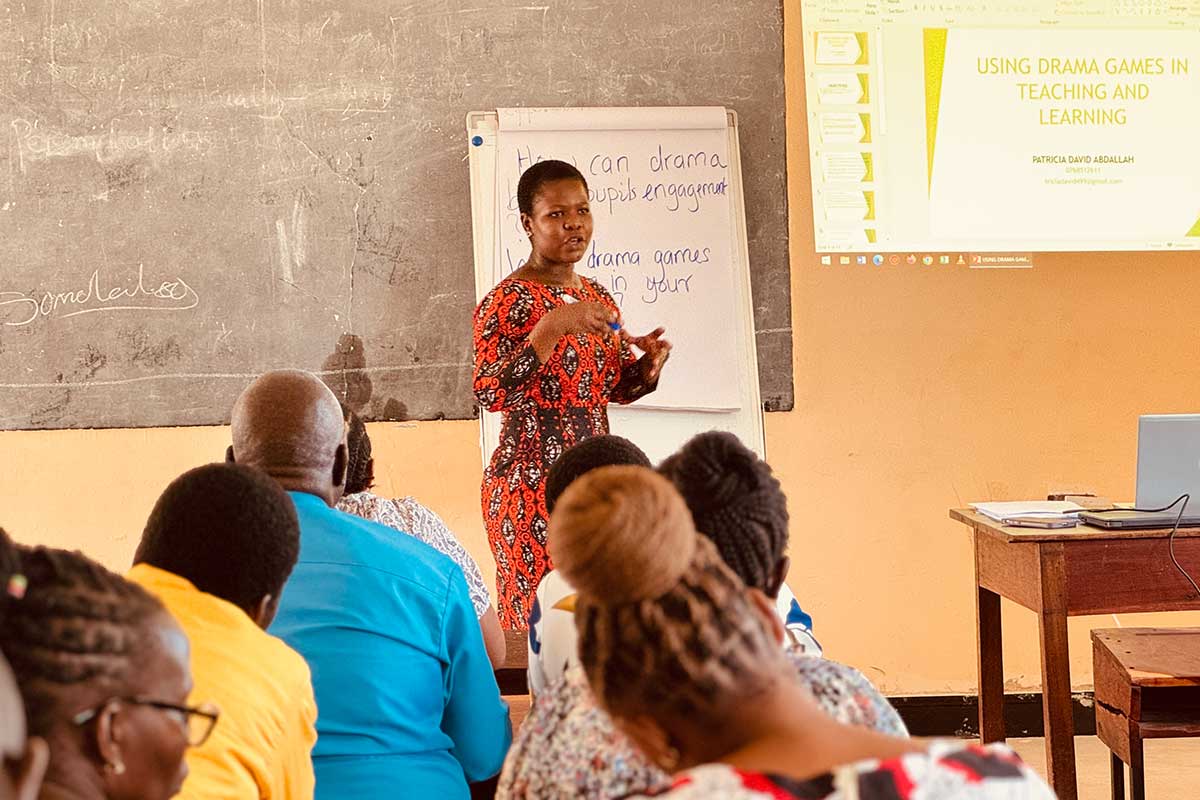
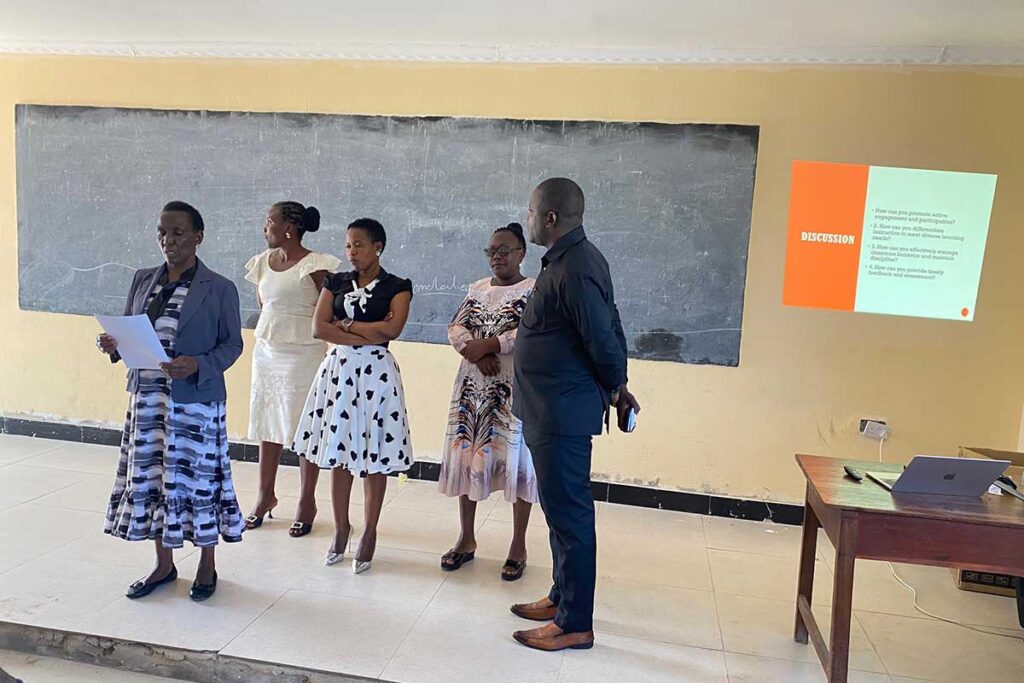
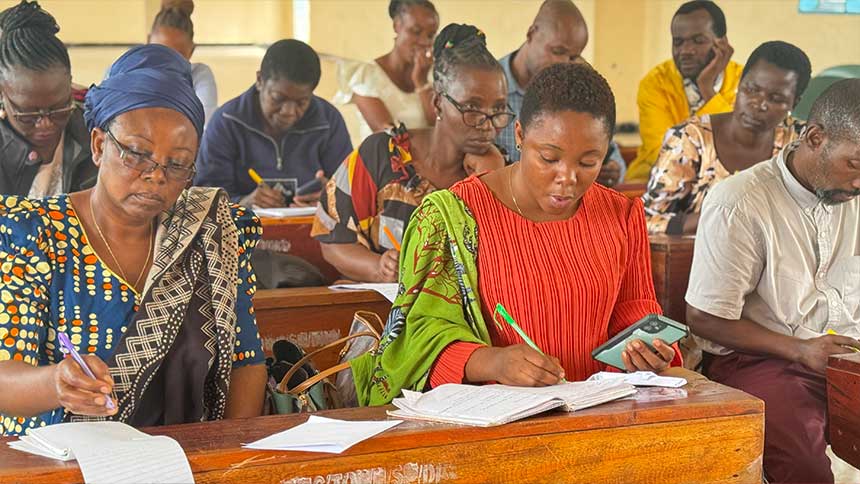
Through practical demonstrations, group discussions, and experience sharing, teachers were guided on how to create interactive, supportive, and inclusive language-learning environments.
Teachers’ Confidence and Renewed Commitment
By the end of the workshop, many teachers expressed:
- Increased confidence in teaching English
- A better understanding of how children learn languages
- Greater motivation to apply new methods in their classrooms
- Renewed hope that their students would perform better academically
The workshop restored teachers’ confidence and strengthened their commitment to ensuring that no child is left behind simply because of a language barrier.
From Training to Classroom Transformation
The impact of this workshop is expected to go beyond the training room. Teachers returned to their schools empowered to:
- Improve learner participation
- Strengthen comprehension and communication skills
- Prepare pupils for a smoother transition to secondary education
- Raise overall academic performance
This training represents a strategic investment in sustainable educational transformation, where change is driven through empowered educators.
We all remain committed to:
- Supporting quality education for every child
- Strengthening teacher professionalism and confidence
- Reducing language-related learning barriers
- Working in collaboration with schools, local authorities, and development partners
We firmly believe that empowered teachers create empowered learners, and empowered learners build a stronger, more equitable society.
Together with our partners, we continue working so that every child can learn, understand, and succeed — regardless of background.